

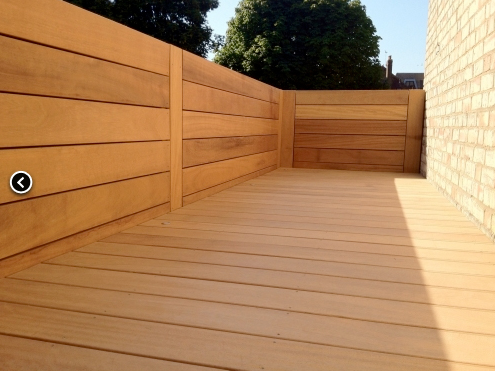
When you want to make your home look nice and cozy with a natural vibe, using wood on the outside is a great idea. Wood is good for the environment, easy to fix if it gets damaged, and looks nice. But there are so many kinds of wood like cedar wood, deck wood, patio wood, ayous wood, balau wood, and iroko wood it can be hard to choose.
If you’re trying to figure out which wood is best for your home’s outside, Iroko is one of the best options. Let’s talk about what you need to know about this type of wood.
Table of Contents
What Exactly is Iroko?
Iroko is a big tree found in tropical Africa. It’s very heavy, about 600 kilograms per cubic meter. These trees can live for up to 500 years. Iroko wood is super strong and tough, and it has lots of different uses. Let’s talk about some of them!
- Making ships and boats
- Building structures in water (like docks)
- Making furniture, often cabinets
- Putting floors in homes
- Making plywood
- Decorating with thin layers of wood
- Making things like doors and windows for inside and outside of buildings
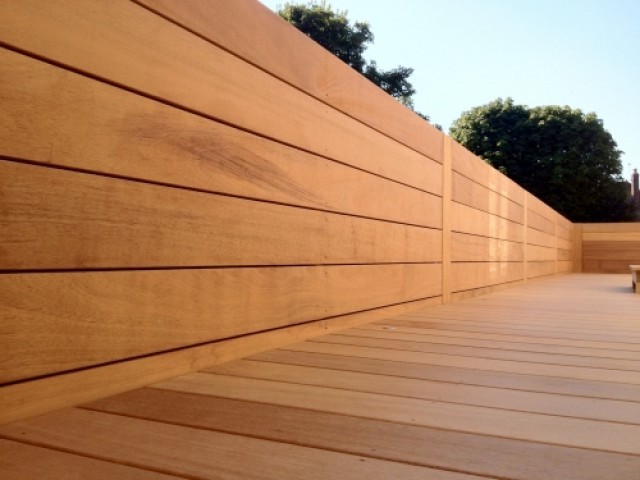
Physical Characteristics
Iroko wood is a type of wood that comes in shades of yellow to golden or medium brown. As it gets older, it becomes darker. Even though it might seem smooth when you look at it from far away, it has a somewhat rough texture up close. It has tiny holes on its surface and its grain is all tangled up. Plus, it doesn’t have any smell. One cool thing about Iroko wood is that it’s super strong and doesn’t get ruined easily by bugs or rotting. Because of this, it’s often used instead of Teak wood, which is also known for being durable.
Iroko as a Material
Iroko wood is pretty easy to work with. Its grain can cause problems sometimes when you’re smoothing the surface, but overall, it’s a good wood to use. It sticks together well with glue and looks nice when you finish it. But, be aware that sometimes you might find some calcium carbonate in the wood, which can make the cutting tools less sharp.
Toxicity Considerations
Iroko wood can cause some mild reactions in people. These reactions are usually things like irritation in the eyes, skin, or breathing. It’s not good for people who have boils, asthma-like symptoms, or hypersensitivity pneumonitis. So far, nobody has had any really bad reactions to this wood.
Iroko for Cladding
Iroko wood is great for making windows, doors, and cladding for your house. It’s super tough and lasts a long time, up to 50 or 60 years! People like using it outside because it doesn’t get ruined easily. It’s also good for the environment because it can be recycled completely.
Taking care of iroko hardwood isn’t hard at all. You don’t need to do much to keep it in good shape. You can just leave it alone, and it’ll stay strong. But if you want to change its color, it’s best to buy it already colored from the store. Also, using stainless steel nails or screws can make it even better.
Final Words
Iroko hardwood has been used in the British Isles for a long time. If you’re thinking about using it for cladding, you’ll be happy with its durability and how long it lasts. All you have to do is find a supplier that sells good quality iroko wood.
If you want custom-sized wood for your cladding, we can help. We offer pre-cut timber cladding in tropical hardwoods like iroko, meranti, and Sapele. We’re an online store run by Southgate Timber in the UK. You can order through our website.
Iroko 20 x 45mm P.A.R. Fencing
Often used for horizontal fences
Sourced from Africa, Iroko as a species is the most challenging timber that Southgate Timber sells. The timber is imported to the UK as dimension-cut sawn boards in a kiln-dried state. The board itself has a multi-directional grain which creates challenges during the procurement process. When sawn boards are ripped to width this can cause a release of tension in some pieces resulting in twisting or buckling over the length. The multi-directional grain can lift in some boards when the face and sides are machined. In addition, the makeup of this species can cause some end-splitting and side splinters. For all these factors Southgate Timber recommends a minimum 15% wastage be factored into Iroko orders for these natural defects.
Please note small sections like this in Iroko can be prone to movement so strong and regularly spaced face fixings will be required, we recommend pre-drilling and Spax stainless steel facade screws at a maximum of 600mm centers.
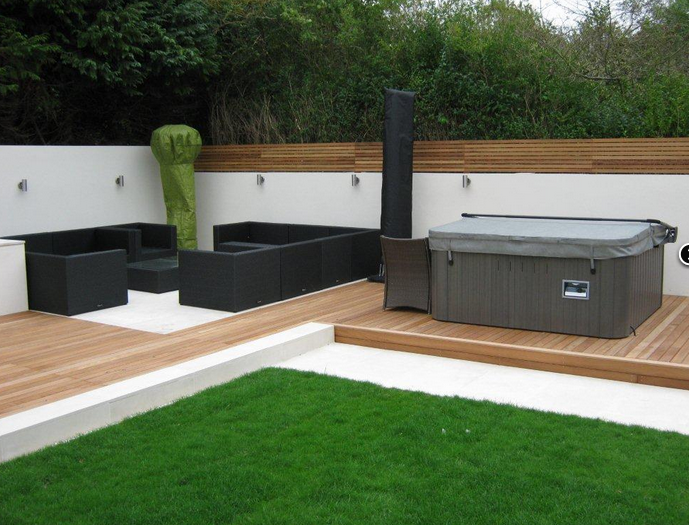
Iroko 20 x 140mm Smooth Double
Key Features
- Very Durable
- Standard fix pre-drill and screw through the face or Deckwise Extreme4 hidden fixings
- We recommend Spax stainless steel decking screws
- We recommend Osmo 013 Grappa Oil to finish Iroko Decking
FAQs
Is Iroko wood suitable for outdoor use?
Yes, Iroko wood is excellent for outdoor use due to its durability and resistance to rot and insect damage.
How does Iroko wood compare to Teak wood in terms of durability?
Iroko wood is often used as an alternative to Teak wood because it shares similar durability properties, making it suitable for outdoor applications.
What are some common applications of Iroko wood?
Common applications of Iroko wood include making ships, boats, docks, furniture (such as cabinets), flooring, plywood, decorative veneers, doors, windows, and cladding for both interior and exterior use.
Are there any toxicity concerns associated with Iroko wood?
While Iroko wood generally does not pose significant toxicity risks, some individuals may experience mild reactions such as irritation to the eyes, skin, or respiratory system. Those with pre-existing conditions like asthma or hypersensitivity pneumonitis should exercise caution.
How can I maintain and care for Iroko wood cladding?
Maintaining Iroko wood cladding is relatively straightforward. Regular cleaning with mild soap and water is usually sufficient. If you desire a color change, consider purchasing pre-colored wood from the store. Additionally, using stainless steel nails or screws can enhance the longevity of the cladding.
Read this kind of valuable information on Trncpio regularly to stay updated about the latest trends.