

Table of Contents
- Can a Dog Be Too Old for Anesthesia?
- Why Might Surgery Still Be Recommended?
- What Makes Anesthesia More Risky?
- Which Tests Might Be Needed Before Surgery?
- How Is the Anesthesia Plan Adjusted?
- What Monitoring Should Owners Ask About?
- What Happens If the Assessment Finds a Problem?
- How Should You Prepare Your Senior Dog?
- Will Recovery Be Harder for an Older Dog?
- Which Recovery Signs Need Immediate Attention?
- Make the Decision Around Your Dog’s Needs
- Frequently Asked Questions
Many senior dogs can undergo anesthesia, but no anesthetic procedure is risk-free. Safety depends on overall health, the operation, preparation, and monitoring. Age alone does not rule out surgery. A veterinary assessment helps determine whether the expected benefits justify the risks for your dog.
Hearing that an older dog needs surgery can bring understandable worry. You may wonder whether treatment will help or create additional problems.
A birthday cannot answer that question. The decision needs a closer look at your dog’s condition and the proposed procedure.
Understanding the assessment process helps you ask useful questions without assuming every senior dog faces the same risks.
Can a Dog Be Too Old for Anesthesia?
There is no universal age when anesthesia becomes unsuitable. AAHA’s senior-care guidance states that advanced age alone is not a contraindication.
However, age-related health problems can influence planning. Your veterinarian considers those conditions alongside the reason for treatment.
When discussing dog surgery in Encino, ask how your dog’s current health affects the recommendation. Explain changes you have noticed at home.
Mention reduced stamina, coughing, weight changes, or difficulties with daily activities. These observations help the team understand your dog beyond the examination.
The aim is an individual decision. A healthy older dog and a frail dog may need very different plans.
Why Might Surgery Still Be Recommended?
A veterinarian may recommend surgery to investigate a problem, relieve discomfort, or treat disease. Ask what improvement the procedure could realistically provide.
Also discuss what might happen without treatment. Waiting may be reasonable in some situations and harmful in others.
AAHA recommends discussing the potential benefit to quality or length of life before surgery. Your dog’s existing function also matters.
For example, ask whether recovery could restore comfortable eating, movement, or another important activity. Avoid judging success only by completing the operation.
Discuss alternatives and their limits. Medication, monitoring, or supportive care may be options, depending on the diagnosis.
What Makes Anesthesia More Risky?
The veterinary team assesses health problems that could affect breathing, circulation, or recovery. The procedure itself also influences the plan.
AAHA’s anesthesia guidance considers existing disease, patient size, age, and the planned treatment. Stabilizing certain problems beforehand may reduce risk.
Tell your veterinarian about:
- Heart, kidney, liver, or breathing conditions.
- Diabetes and other ongoing illnesses.
- Previous problems during anesthesia or recovery.
- Current medications and supplements.
- Recent changes in appetite, drinking, or activity.
Ask which factors matter most for your dog. A general statement that “older dogs are higher risk” provides limited guidance.
You should also ask whether a planned operation can wait for further assessment. Emergency procedures may allow less preparation time.
Which Tests Might Be Needed Before Surgery?
The process usually begins with a medical history and physical examination. Testing then helps answer questions raised during assessment.
For senior patients, AAHA discusses laboratory assessment and possible imaging when indicated. The team selects investigations according to the individual case.
Ask what each test is intended to reveal. Blood tests may provide information relevant to organ function and anesthetic planning.
A heart concern may require further investigation. Not every senior dog needs the same tests or specialist assessment.
When consulting a veterinarian in Encino, bring recent results from other clinics. Ask whether those results remain useful.
Normal bloodwork does not guarantee a complication-free procedure. It contributes to assessment rather than replacing examination, history, and monitoring.
How Is the Anesthesia Plan Adjusted?
Anesthesia involves several stages, from preparation through recovery. It is more than administering one drug before surgery.
AAHA describes four phases: preanesthesia, induction, maintenance, and recovery. Each stage requires planning suited to the patient.
The veterinarian selects medications and support measures using the dog’s needs. Ask how existing conditions affect those choices.
Also discuss pain relief. A complete plan should address comfort before, during, and after the procedure.
Do not assume lighter sedation is automatically safer or suitable for surgery. Ask why the recommended approach fits the operation.
The answer should explain both the procedure’s requirements and your dog’s health.
What Monitoring Should Owners Ask About?
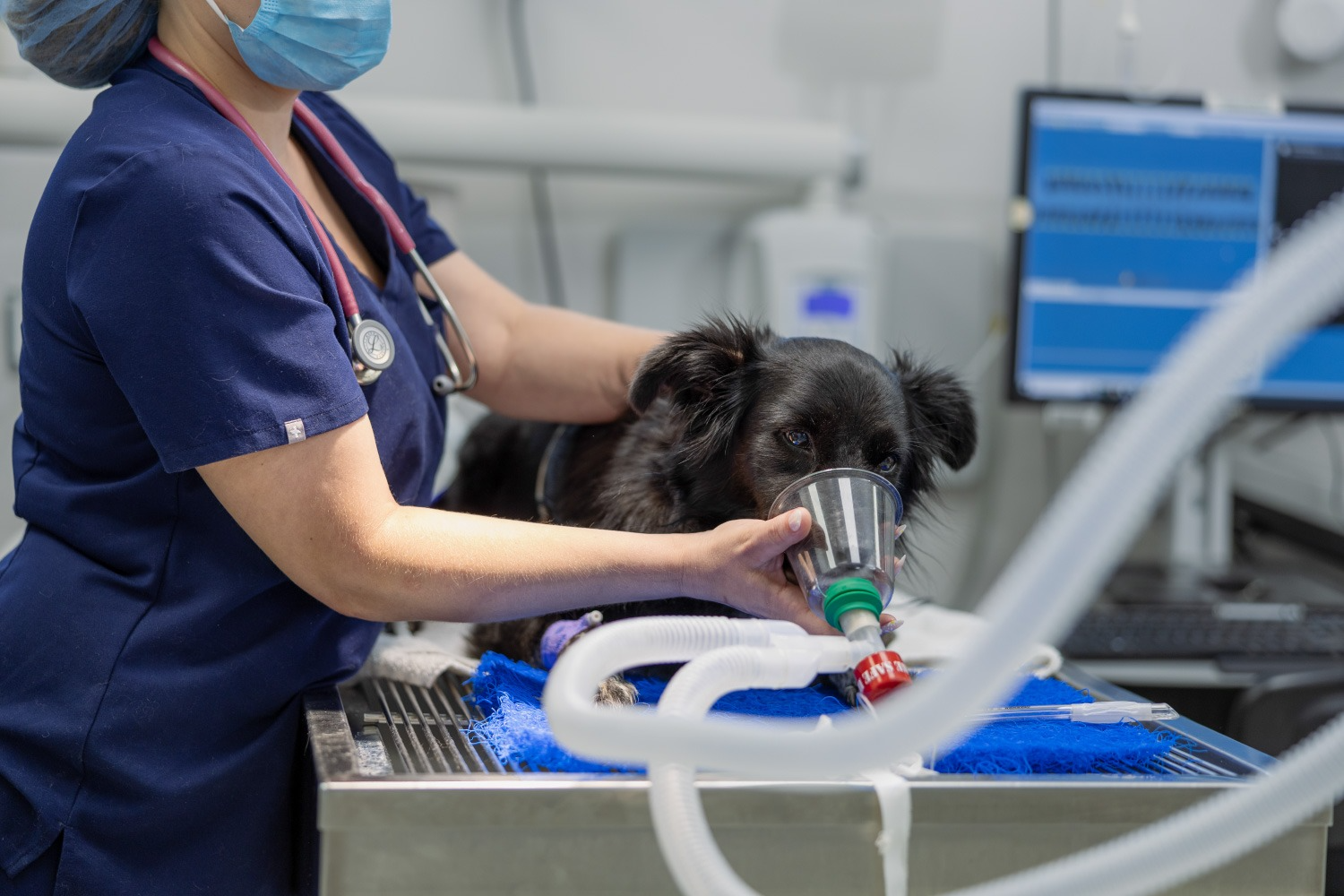
Monitoring helps the team recognize changes and respond during anesthesia. Equipment supports trained staff rather than replacing them. AAHA guidance emphasizes assessing breathing, circulation, oxygenation, and temperature. Continued monitoring during recovery is also important.
Useful questions include:
- Who will monitor my dog throughout anesthesia?
- How are blood pressure and breathing assessed?
- How will body temperature be supported?
- What happens if a reading changes?
- Who watches my dog during recovery?
For example, Encino Pet Hospital & Emergency uses monitored anesthesia and temperature support for surgical patients. Ask how the plan addresses your dog’s needs.
When considering veterinary surgery near you, ask about the whole care process. Preparation and recovery deserve attention alongside the operation.
What Happens If the Assessment Finds a Problem?
An abnormal finding does not automatically mean surgery is impossible. It may change the timing, treatment plan, or recommended facility.
The team may advise additional tests or treatment before proceeding. Ask what needs addressing and how progress will be assessed.
AAHA’s preanesthesia guidance includes correcting or minimizing problems that increase risk. Examples include dehydration and certain cardiovascular disturbances.
Some patients benefit from referral when their needs exceed the clinic’s resources. Discuss specialist involvement and overnight monitoring when relevant.
Ask who will coordinate records and communication between hospitals. Clear arrangements help you understand where each stage of care will happen.
How Should You Prepare Your Senior Dog?
Request written instructions for food, water, medication, and arrival time. Follow the veterinary team’s specific plan.
Tell them about every prescription, supplement, and recent dose. Do not stop essential medication simply because surgery is scheduled.
Also ask what to do if your dog accidentally eats beforehand. Report it honestly so the team can reassess.
Mention anxiety, mobility problems, and handling preferences before admission. Ask about comfortable positioning and gentle handling.
Preparation also includes your home. Discuss whether your dog will need help with stairs, toileting, or getting into the car.
Arrange support before the procedure rather than discovering difficulties at discharge.
Will Recovery Be Harder for an Older Dog?
Recovery varies with health, the operation, pain control, and mobility. Some dogs need more support than others.
Ask what your dog should be able to do before going home. Also clarify whether hospital monitoring may be needed longer.
AAHA notes that sleepiness and reduced appetite can occur during the first 12–24 hours after anesthesia. Pets should remain easily awakened.
These observations do not replace individual discharge instructions. Ask when to report poor appetite, persistent discomfort, or unusual behavior.
Before leaving, confirm medication doses and follow-up dates. Request guidance if giving medication becomes difficult.
Keep the surgical team’s number and an after-hours contact readily available.

Concerned about surgery for your senior dog? Book a consultation with Encino Pet Hospital & Emergency to discuss anesthesia and recovery.
Which Recovery Signs Need Immediate Attention?
Contact a veterinarian immediately for breathing difficulty, collapse, or severe weakness. Difficulty waking your dog also needs urgent assessment.
Heavy bleeding or rapid deterioration requires prompt help. Do not assume these changes are simply part of aging.
AAHA discharge guidance identifies breathing difficulty and excessive sedation as reasons to contact the veterinary team.
For other concerns, describe exactly what has changed. Explain medication timing, eating, drinking, and any problems with the incision.
Do not change doses or add human pain medicine yourself. Ask the team for instructions.
Make the Decision Around Your Dog’s Needs
The best discussion considers benefits, risks, alternatives, and the recovery your dog can reasonably manage. Age is one part of that assessment.
Ask your veterinarian to explain what remains uncertain. A clear plan should include possible complications and how they would be handled.
If your senior dog needs surgery, arrange a consultation before making assumptions about anesthesia. Bring medical records and your main concerns.
An informed decision starts with understanding your dog’s health and the purpose of treatment.
Frequently Asked Questions
Can a 12-year-old dog have anesthesia?
Possibly. Age alone does not determine suitability. A veterinarian must assess health, the procedure, and expected benefits.
Does normal bloodwork mean anesthesia is completely safe?
No. Bloodwork provides useful information, but no test removes every risk. Examination, planning, and monitoring remain important.
Can a dog with heart disease have surgery?
Sometimes. The decision depends on the heart condition, stability, procedure, and available support. Further assessment may be needed.
Should I stop my dog’s medication before anesthesia?
Only if the veterinary team instructs you. Request specific directions for each medication and supplement.
Is sedation always safer than general anesthesia?
No. Sedation also carries risks and may not suit the procedure. The veterinarian recommends an appropriate approach.
When should I worry about sleepiness after surgery?
Seek urgent advice if your dog is difficult to wake, struggles to breathe, collapses, or becomes markedly weaker.