

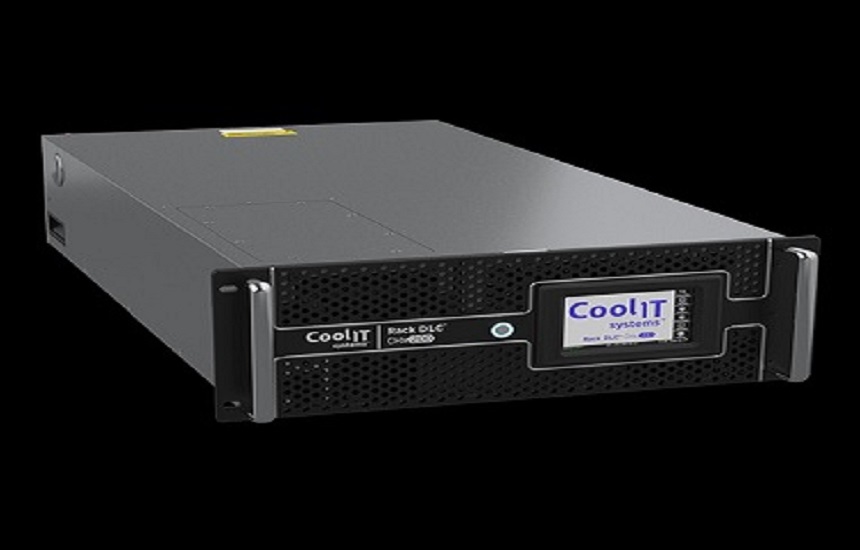
Modern digital infrastructure demands high performance, constant uptime, and energy-efficient operation. Data centers are the backbone of modern business, powering cloud applications, enterprise software, and mission-critical systems. As server densities increase and workloads grow more demanding, traditional cooling methods are no longer sufficient. Enter cooling distribution systems: a revolutionary approach to managing thermal performance. In this post, we’ll explore what systems are, their benefits, how they work, and why CoolIT Systems leads the way in advanced thermal management solutions.
Table of Contents
- Understanding Cooling Distribution Systems in Modern Infrastructure
- What Are Cooling Distribution Systems?
- Role of Coolant Circulation Systems in Performance Stability
- Advancing Thermal Management Systems for Scalable Operations
- Integration with High-Density Computing Environments
- Energy Efficiency and Operational Optimization
- Future of Advanced Cooling Distribution Systems
- Conclusion
Understanding Cooling Distribution Systems in Modern Infrastructure
Instead of relying on isolated cooling units, they distribute cooling capacity strategically across equipment zones. Cooling distribution systems are engineered systems that regulate heat removal from IT environments. These systems often work in coordination with data center cooling systems to maintain balanced thermal conditions across racks and server clusters.
Key Functions
- Heat capture from high-density computing zones
- Controlled distribution of cooling energy
- Stabilization of environmental temperature
- Reduction of localized overheating risks
By ensuring consistent thermal balance, they enhance system reliability and hardware longevity.

What Are Cooling Distribution Systems?
A cooling distribution system is an integrated network that delivers chilled liquid or air to data center equipment. Unlike conventional air-based cooling, which relies on general airflow, a CDS provides precise, rack-level cooling where it’s needed most. This precision prevents hotspots, reduces wasted energy, and allows servers to operate at peak performance.
Key Components of a CDS Include:
- Chillers & Pumps: Maintain a consistent flow of chilled water or coolant.
- Manifolds & Distribution Units: Direct coolant efficiently to server racks.
- Rack-Level Cooling Modules: Deliver precise thermal management for individual servers.
- Sensors & Monitoring Tools: Track temperature fluctuations and dynamically adjust coolant flow.
By combining these elements, a CDS ensures efficient cooling, reducing energy waste while maintaining a stable operating environment.
Role of Coolant Circulation Systems in Performance Stability
A major component of modern cooling design is the use of coolant circulation systems. These systems transport liquid coolant through precision-engineered loops that absorb and transfer heat away from critical components. Unlike traditional air-based methods, liquid circulation offers higher thermal conductivity and faster heat removal.
Benefits of Efficient Circulation
- Improved heat transfer efficiency
- Lower energy consumption compared to air cooling
- Better support for high-performance computing loads
- Reduced risk of thermal throttling
This approach allows infrastructure to handle AI workloads, cloud computing tasks, and intensive processing demands with greater stability.
Advancing Thermal Management Systems for Scalable Operations
As workloads grow, thermal management systems must evolve to handle increasing heat output. Advanced systems now use sensors, automation, and predictive analytics to optimize cooling in real time.
Core Advantages
- Real-time temperature regulation
- Predictive failure prevention
- Energy-efficient cooling adjustments
- Enhanced system uptime
Such intelligent control mechanisms ensure infrastructure in Alberta remains efficient even under fluctuating workloads. These systems dynamically adjust flow rates, fan speeds, and coolant pressure based on workload intensity.
Integration with High-Density Computing Environments
High-density computing environments generate significantly more heat in smaller physical spaces. Without efficient systems, performance bottlenecks and equipment degradation can occur. Modern cooling strategies integrate both air and liquid-based technologies to ensure optimal heat removal.
Implementation Approaches
- Direct-to-chip cooling configurations
- Hybrid air-liquid cooling architectures
- Modular cooling zones for scalability
- Centralized monitoring dashboards
This layered approach ensures consistent cooling even in the most demanding environments.
Energy Efficiency and Operational Optimization
Energy consumption is one of the biggest operational challenges in large-scale computing environments. Efficient cooling design plays a major role in reducing overall power usage. By optimizing coolant circulation systems and airflow pathways, facilities can significantly reduce wasted energy.
Efficiency Improvements
- Lower cooling overhead costs
- Reduced environmental impact
- Improved power usage effectiveness
- Enhanced infrastructure sustainability
When properly implemented, cooling systems become a strategic asset rather than just a support function.
Future of Advanced Cooling Distribution Systems
The future of cooling lies in smarter automation and higher precision engineering. Emerging technologies focus on adaptive thermal zones, AI-driven optimization, and liquid-based innovations. These improvements will further enhance the performance of systems and make them even more energy efficient.
Expected Innovations
- AI-assisted thermal balancing
- Advanced liquid cooling integration
- Fully modular cooling architectures
- Enhanced predictive maintenance systems
This evolution will continue to reshape how large-scale infrastructure manages heat and performance.
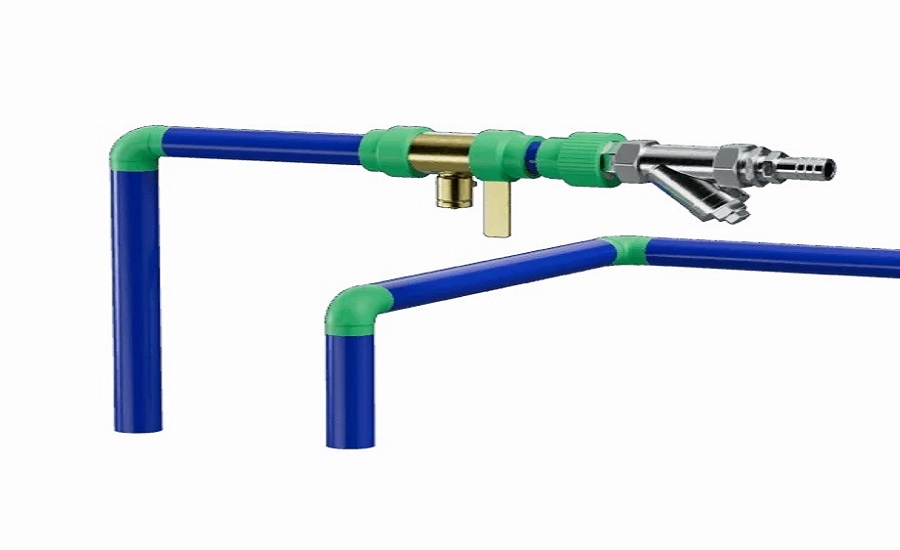
How Cooling Distribution Systems Work
CDS integrates multiple technologies to deliver efficient, targeted cooling:
- Liquid Cooling: Many CDS solutions use liquid (water or dielectric fluids) to transport heat away from servers. Liquids have a higher thermal capacity than air, making them more effective at removing heat, especially in high-density environments.
- In-Row and Rack-Level Modules: These modules sit between server racks, directly cooling the heat generated at the source. They maintain uniform temperatures across all servers, preventing hotspots and ensuring consistent performance.
- Dynamic Flow Control: Modern CDS solutions feature intelligent sensors and monitoring tools that automatically adjust coolant flow based on real-time server load and temperature data, maximizing efficiency while preventing energy waste.
- Integration with Existing Infrastructure: Advanced CDS can seamlessly integrate with existing CRAC/CRAH units or other cooling systems, providing flexibility and reducing upfront investment costs.
Benefits
- Enhanced Efficiency – Targeted cooling reduces energy waste and lowers overall power usage.
- Improved Reliability – Maintaining optimal server temperatures prevents system failures and prolongs hardware life.
- Cost Savings – Lower energy consumption translates to significant operational savings over time.
- Scalability – Easily adapt CDS to growing workloads and new server racks without a complete redesign.
- Flexibility – Compatible with liquid cooling, air cooling, and hybrid approaches for customized solutions.
- Better Performance – Servers maintain optimal performance without thermal throttling.
- Environmental Impact – Lower energy usage contributes to greener, more sustainable operations.
FAQs
What are cooling distribution systems used for?
Cooling distribution systems manage and direct cooling resources across computing environments to maintain stable temperatures and prevent overheating. They ensure efficient heat removal from high-performance equipment.
How do data center cooling systems improve efficiency?
Data center cooling systems optimize airflow and liquid cooling processes to maintain ideal operating temperatures. This reduces energy waste and improves overall system reliability.
Why are coolant circulation systems important?
Coolant circulation systems are important because they transfer heat away from critical hardware more efficiently than air-based methods. They support high-density workloads and reduce thermal stress on equipment.
How do thermal management systems support modern computing?
Thermal management systems use sensors and automation to regulate temperature in real time. They help maintain performance stability and reduce the risk of overheating during peak workloads.
What makes advanced cooling solutions better than traditional methods?
Advanced cooling solutions offer improved energy efficiency, better heat transfer, and greater scalability. They are designed to handle modern computing demands that traditional systems cannot support effectively.
Conclusion
Advanced infrastructure demands intelligent and scalable cooling strategies to maintain peak performance. By adopting advanced CDS technology, data center operators can maximize efficiency, ensure reliability, and future-proof their infrastructure. Modern cooling distribution systems not only enhance operational efficiency but also support long-term reliability in demanding environments. To explore expert-level solutions and advanced cooling innovations, visit CoolIT Systems.