

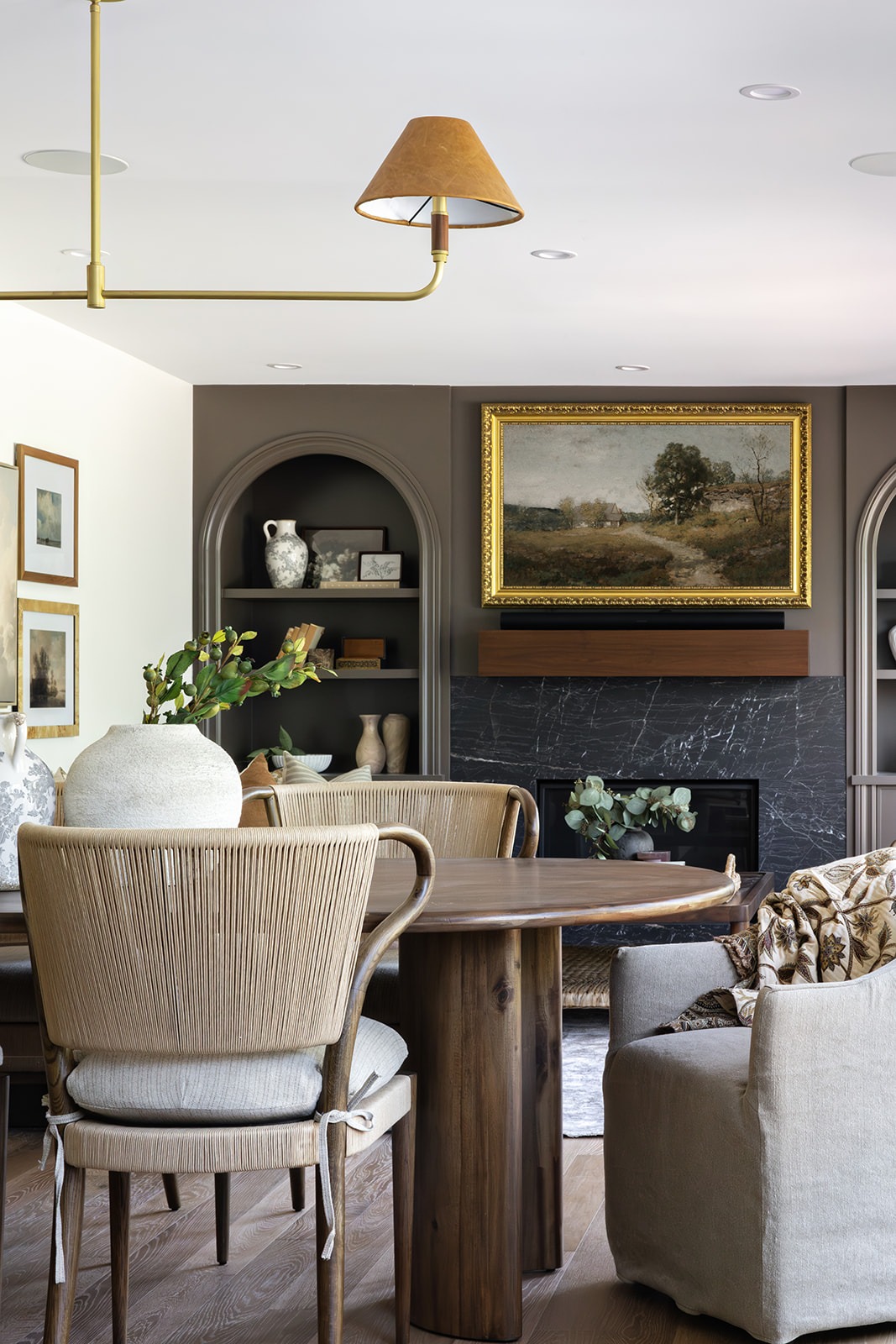
Creating a beautifully unified home begins with thoughtful furniture selection. Every chair, table, and storage piece plays a role in shaping the atmosphere of a space. In Canadian homes—where functionality, comfort, and seasonal adaptability matter—choosing the right furnishings requires both creativity and planning. Whether you are updating a single room or designing a new build, aligning your choices with a clear interior design vision ensures balance and harmony throughout the home.
Table of Contents
- Understanding the Foundation of Cohesive Interior Design
- The Role of Furniture Selection in Living Room Design
- Smart Furniture Selection for Kitchen Design
- Elevating Bedroom Design with Thoughtful Choices
- Practical and Playful Kids Room Design
- Achieving Flow Through Repetition and Contrast
- Scale, Proportion, and Space Planning
- Sustainability and Quality Considerations
- Professional Guidance and Design Expertise
- Conclusion
- Ready to Create a Cohesive Home?
A cohesive space is not about matching everything perfectly; it is about creating visual continuity. From architectural review to final styling, each stage contributes to a seamless outcome. This guide explores how to approach furniture planning for the living room, kitchen, bedroom, and kids’ room design while maintaining consistency and long-term value.
Understanding the Foundation of Cohesive Interior Design
Before purchasing any furnishings, it is essential to evaluate the architectural framework of your home. An initial architectural review helps you understand ceiling heights, window placement, flooring materials, and natural light. These elements influence scale, proportion, and layout decisions.
In interior design, cohesion starts with a defined style direction. Whether your preference leans toward modern minimalism, transitional comfort, or contemporary Canadian aesthetics, your furniture selection should reinforce that theme. Identify recurring materials, finishes, and colour palettes that can flow from one space to another.
Establishing a Design Vision
Start by developing a mood board or inspiration file. Include textures, finishes, and shapes that reflect your intended look. This process guides consistent interior styling choices across rooms and prevents impulse purchases that disrupt visual unity.
A cohesive home often shares:
- Complementary colour tones
- Repeating materials such as wood, metal, or upholstery fabrics
- Balanced proportions in furniture scale
- Consistent hardware and finish selections
When these factors align, the result feels intentional rather than accidental.

The Role of Furniture Selection in Living Room Design
The living room often acts as the central gathering area in Canadian households. Thoughtful furniture selection here sets the tone for the rest of the home.
Choosing the Right Sofa and Seating
In living room design, the sofa typically anchors the space. Consider both comfort and proportion. A sectional may suit an open-concept layout, while a tailored three-seat sofa works well in smaller rooms. Accent chairs should complement—not compete with—the main seating piece. Pay attention to upholstery materials suited to Canadian climates. Durable fabrics that handle seasonal changes, pets, or children contribute to lasting quality.
Creating Balance Through Layout
A strong layout enhances flow and function. During the architectural review stage, note traffic patterns and focal points such as fireplaces or large windows. Arrange furnishings to encourage conversation and accessibility while preserving open pathways.
Incorporate storage solutions like media units or shelving that align with your overall interior design theme. Consistency in wood tone or metal finishes reinforces cohesion.
Styling for Visual Harmony
Accessories and décor complete the space. Layered textiles, area rugs, and lighting fixtures contribute to thoughtful styling. Select accent tables and décor items that echo shapes or finishes found elsewhere in the home to maintain continuity.
Smart Furniture Selection for Kitchen Design
Kitchen design has evolved beyond cabinetry and appliances. Furnishings such as dining tables, bar stools, and built-in seating significantly influence the atmosphere.
Dining Tables and Seating
When selecting a dining table, consider the proportion relative to the room’s dimensions. Round tables encourage conversation, while rectangular tables suit larger gatherings. In open-concept homes, ensure the table’s finish complements the kitchen cabinetry and flooring.
Bar stools should align with counter height and design style. Upholstered options add comfort, while sleek metal or wood frames suit modern interior design aesthetics.
Function Meets Style
Storage benches, pantry organizers, and display shelving enhance usability. Furniture selection in kitchen spaces should prioritize durability, particularly in high-traffic households. During the architectural review process, assess lighting placement and ceiling height before finalizing furniture scale. Oversized fixtures or bulky seating can overwhelm compact kitchens.
Cohesive Transitions
In many Canadian homes, kitchen design flows directly into living or dining areas. Repeating materials—such as matching wood finishes or coordinating upholstery—creates a seamless transition between spaces.

Elevating Bedroom Design with Thoughtful Choices
Bedroom design requires a thoughtful balance between comfort and visual calm to create a truly restful retreat. Carefully planned furniture selection plays a key role in supporting relaxation and everyday functionality. Each piece, from the bed frame to bedside tables, should contribute to a serene and uncluttered atmosphere. When aligned with your broader interior design plan, the space feels cohesive, harmonious, and inviting.
Selecting the Bed Frame and Case Goods
The bed serves as the focal point. Upholstered headboards introduce softness, while wood or metal frames offer structure. Choose nightstands and dressers that coordinate in scale and finish. Maintaining similar design elements across bedrooms strengthens cohesion. For example, consistent hardware finishes or shared colour accents create subtle unity.
Layering Through Styling
Textiles play a key role in bedroom styling. Bedding, throws, and area rugs should harmonize with furniture finishes. Consider seasonal adaptability, especially in regions with colder winters, where layered fabrics add warmth.
Lighting also contributes to ambiance. Bedside lamps, sconces, or pendant fixtures should align with your established aesthetic.
Practical and Playful Kids Room Design
Designing children’s spaces involves creativity and adaptability. Kids room design must accommodate growth while maintaining harmony with the rest of the home.
Flexible Furniture Solutions
Opt for adaptable pieces such as convertible cribs, adjustable desks, or modular storage units. Smart furniture selection ensures longevity as needs evolve. Incorporate durable materials and finishes that withstand everyday activity. Storage solutions help maintain organization and reduce visual clutter.
Maintaining Cohesion
Although kids room design allows for playful elements, consistency in base finishes or flooring ties the space back to the overall interior design scheme. Accent colours can be introduced through décor rather than permanent fixtures.
Achieving Flow Through Repetition and Contrast
Cohesive interior design relies on thoughtful repetition. Repeating materials, tones, and forms across rooms creates familiarity. However, contrast adds depth and interest.
For example:
- Use the same wood tone in the living room and kitchen.
- Introduce similar metal finishes in lighting and hardware.
A professional architectural review helps identify opportunities for these connections before final decisions are made.
Scale, Proportion, and Space Planning
One of the most overlooked aspects of furniture selection is scale. Oversized pieces can crowd a room, while undersized furnishings may appear disconnected. Measure carefully and consider ceiling height, window placement, and room dimensions. Space planning ensures that each item supports comfort and functionality. In Canadian homes with open layouts, zoning areas with rugs or lighting can define spaces without sacrificing flow.
Sustainability and Quality Considerations
Investing in durable materials supports both environmental responsibility and long-term value. Look for well-constructed frames, quality joinery, and sustainable sourcing where possible. High-quality furniture selection reduces replacement frequency and maintains aesthetic consistency over time. Choosing timeless designs rather than short-lived trends strengthens cohesive interior design.
Professional Guidance and Design Expertise
Working with a design professional can elevate results. From initial architectural review to final styling touches, expert guidance ensures that every choice supports the larger vision. The interior designers evaluate layout, scale, lighting, and finishes holistically. Their experience helps prevent costly mistakes and ensures furniture selection aligns with functional needs and aesthetic goals.
Conclusion
Creating a cohesive home is an intentional process that blends creativity with strategy. From living room design to kitchen design, bedroom design, and kids room design, every furnishing contributes to the overall experience of a space.
Thoughtful furniture selection—guided by architectural review, balanced styling, and careful planning—ensures harmony throughout the home. By focusing on proportion, material consistency, and functional needs, you can achieve a refined interior design that feels unified, comfortable, and enduring.
A cohesive space reflects not only personal style but also careful consideration of how each element works together. With a clear vision and attention to detail, your home can achieve both beauty and functionality for years to come.
Frequently Asked Questions:
Why is furniture selection important in interior design?
Furniture selection defines the layout, comfort, and visual tone of a space. It influences proportion, flow, and overall harmony, making it essential for achieving cohesive interior design.
How does architectural review impact furniture planning?
An architectural review identifies structural features such as ceiling height, lighting, and spatial flow. Understanding these factors ensures furnishings fit properly and complement the home’s framework.
How can I maintain cohesion across multiple rooms?
Use repeating colours, finishes, and materials across the living room, kitchen, and bedroom design. Consistent styling details create continuity without making spaces feel identical.
What should I consider when designing a kids’ room?
Focus on adaptable furniture selection, durable materials, and practical storage. Incorporate playful elements through décor while maintaining consistency with the home’s overall interior design theme.
When should I consult a professional designer?
Consider professional guidance when planning large renovations or new builds. Experts can manage architectural review, layout planning, and styling to ensure a unified and functional result.
Ready to Create a Cohesive Home?
If you’re planning a redesign or furnishing a new space, start with a clear vision and strategic furniture selection. Partner with an experienced interior design studio like KoehnDesign to guide your architectural review, space planning, and styling decisions—so every room in your home feels beautifully connected and thoughtfully designed.
16 thoughts on “Furniture Selection Guide for Creating Cohesive Interior Design”
Comments are closed.